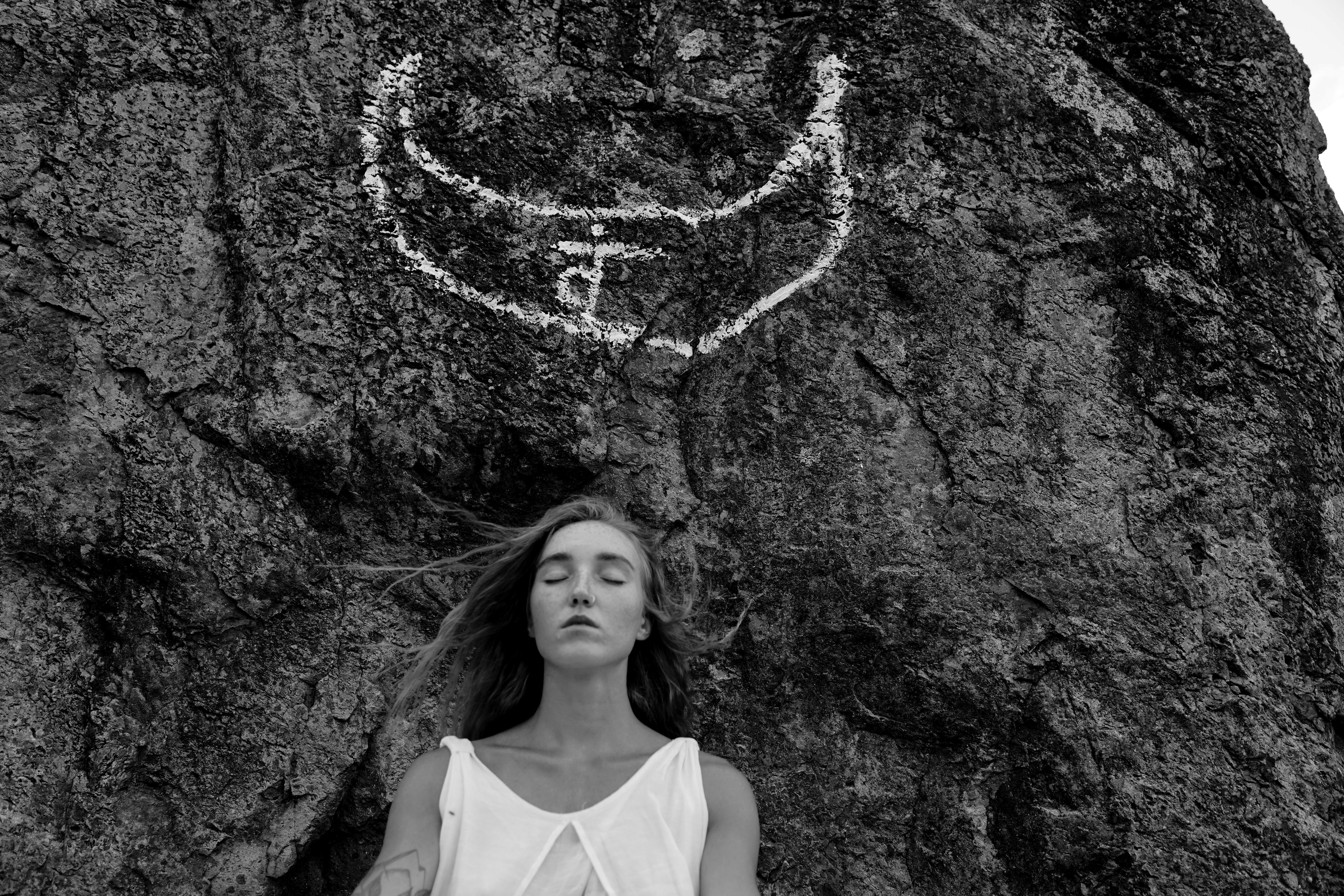
Dearest one, let me tell you a story softly, as stories used to be told, slowly and with care. Yoga did not lose its way all at once. It drifted, quietly, as living things sometimes do, until rhythm was replaced by repetition and depth by performance.
To remember what yoga truly is, we must return to its oldest pulse. In the tantric understanding of Laya, rhythm and dissolution, yoga was never a set of techniques delivered on schedule. It was a shared tempo between two human beings. The student did not accumulate knowledge but learned to listen, first to the rhythm of the teacher and eventually to the rhythm within themselves. Liberation was not dramatic. It arrived the way intimacy arrives, through time, trust, and presence.
Yoga was once treated like a living companion, approached gently, befriended rather than conquered, with the teacher serving as a bridge rather than an authority.
The Ten Mahavidyas
Alongside this rhythm lived the great feminine intelligence of the Mahavidyas, ten goddesses representing ten cosmic powers and facets of reality, fierce, uncompromising, radiant. Long before modern myths of heroes, these figures carried a form of spiritual science fiction, inviting practitioners not merely to believe but to enter reality from multiple angles.
Through them, yoga becomes a journey into the shared source of all religions, not to replace them, but to remember why they were born. Religions emerged for specific moments in human history, and over time their living essence was buried beneath fear, misunderstanding, and violence.
So this path returns to the beginning, to the first moment of awe, to the instant when humanity looked into still water and recognized itself and whispered I am.
The Inner Journey
From this longing, a long inner journey was shaped, a year long unfolding in which consciousness moves through layered realities like dreams within dreams, quietly shedding identities until something fundamental rearranges itself.
At the center of this journey stands Ahamkara, the birth of the I, a miracle and a wound. With self awareness came separation, duality, the loss of oneness remembered in every sacred myth. And yet the longing to return has never left us.
Many seek it in distant places, hoping to find it in teachers or institutions, and sometimes they do, but often yoga becomes thin, aesthetic, hollow.
The Andhakaara Method
The Andhakaara Method does not offer an ashram or a throne. It offers a self study path supported with presence and care, a way of sharing deep spiritual technologies without diluting them.
At its heart lies concern for the earth itself, because the environmental crisis is not a technical failure but a failure of feeling. Our ancestors protected nature not because they were informed but because they were intimate with it. To feel that intimacy again, one must understand religion as perception rather than belief, as lived experience rather than doctrine.
This journey matters because it is about survival, about oceans, about whether we remain human.
The Elements and Sexuality
Before names and identities, we worshipped the elements, ether, air, fire, water, earth, and we were not separate from them. When we named ourselves, we forgot. Even the breath remembers this forgetting.
Sexuality remembers it too. In moments of deep union, the self loosens, boundaries soften, and cultures that deny this always fracture, because they deny life itself. Sexual yoga here is not indulgence but remembrance, a doorway back into unity, a source of vitality and magnetism that inspires rather than consumes. Yet pleasure is not the destination. Connection is.
Andhakaara: The Creative Darkness
Andhakaara means darkness, not as absence but as fullness, the fertile void from which the universe was born. This yoga does not flee darkness but enters it with open eyes, practicing concentration in the vast field before form.
Before birth there was darkness, after death there is darkness, and between lives there is darkness. To know it is not to fear it but to come home.
Through this contemplation, the senses are reborn, smell, sound, touch returning as wonder, and the world appears again as it did to a newborn, luminous and strange.
Belonging
Every true spiritual path teaches letting go, and this one does too, not by transcending matter but by embracing it fully. We are visitors here and caretakers at the same time.
After this long journey, one may feel as they did before language, before division, fully human again. This yoga is not about becoming something else. It is about remembering who you are and belonging again, to yourself, to the world, and perhaps to the future we still have a chance to protect.
You already belong. The rhythm is already within you. The darkness is not something to fear but the womb from which all light emerges.
With love, Michael